
How Foundation Shifting in Middle Tennessee Causes Brick Cracks — and What Fixes Them
Most brick cracks in Middle Tennessee come from clay soil expanding and contracting under your foundation. These shifts push and pull your home’s structure, creating stair-step cracks, vertical cracks, and gaps between brick and windows. Fixing the problem usually requires mortar repointing, brick replacement, or structural masonry repair — depending on the severity.
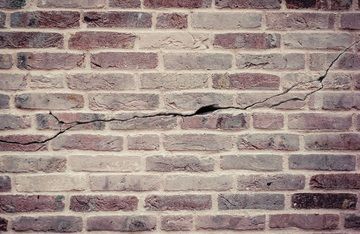
Why Brick Cracks Are So Common in Nashville & Middle Tennessee
Nashville, Brentwood, Franklin, Murfreesboro, Mt. Juliet, Gallatin, Spring Hill, and surrounding areas sit on soil that behaves differently than soil in most parts of the country.
The culprit?
Highly expansive Tennessee clay. When this type of soil absorbs water, it swells. When it dries out, it shrinks.
This movement puts ongoing pressure on foundations — and that pressure transfers directly to your brick exterior.
Over time, even small shifts can cause:
- Stair-step cracks
- Vertical cracks
- Cracks above windows or doors
- Gaps between bricks
- Loose or leaning brickwork
- Mortar deterioration
- Bulging walls
These issues are more than cosmetic — they’re structural warning signs.
What Foundation Movement Looks Like in Brickwork
Below are the brick issues Middle Tennessee homeowners see most often, along with what each one means.
Stair-Step Cracks (Most Common)
What it looks like:
A crack climbing in a zig-zag pattern through mortar joints.
What it means:
Uneven foundation settlement — one corner or side of the home is moving more than the other.
Common locations:
- Brick walls near garage slabs
- Older crawlspace homes
- Chimneys
- Additions built on different soil conditions
Vertical Cracks
What it looks like:
A straight crack running up and down the brickwork.
What it means:
Soil shrinking/expanding under the home is causing the foundation to rise and fall.
Important note:
Vertical cracks often widen over time — this is a sign to act now, not later.
Cracks Above Windows & Doors
What it looks like:
Diagonal lines forming above structural openings.
What it means:
Movement in the home’s lintels or shifting around window frames due to soil pressure.
Gaps Between Brick & Trim
What it looks like:
A separation where the brick wall used to meet window trim or siding.
What it means:
The brick portion of the home is moving at a different rate than the frame.
Bulging or Bowing Brick Walls
What it looks like:
A wall that bends outward or inward.
What it means:
Significant foundation movement or brick wall failure —
needs immediate attention.
Why Middle Tennessee Soil Affects Brick More Than Other Areas
Here’s what makes Nashville’s geology unique:
High Clay Content (Expansive Soil)
Clay can expand up to 10% in volume when wet — enough to lift or shift an entire slab foundation.
Freeze–Thaw Cycles
Water inside brick expands when frozen, causing:
- Crack growth
- Brick spalling
- Mortar deterioration
Heavy Rainfall + Hot Summers
Soil goes through:
- Rapid swelling during storms
- Aggressive shrinking during summer droughts
The constant expansion/contraction cycle stresses foundations and brick walls.
Older Construction Methods
Many homes built before the 2000s used:
- Mortar mixes that are too hard or too soft
- Brick ties that weaken over time
- Less advanced moisture control
All of this makes cracking worse.
What Fixes Brick Cracks Caused by Foundation Movement?
Once foundation shifting creates brick damage, repairs are typically needed at two levels:
Level 1: The Brick & Mortar (Surface Repairs)
Level 2: The Foundation or Structural Wall (Underlying Cause)
Below is what repairs look like depending on the severity.
Brick Repair Options (From Least Severe to Most Severe)
Best for:
Small cracks in the mortar only.
What we do:
- Remove loose or damaged mortar
- Match the original mortar color and composition
- Install new mortar to stabilize the wall
This stops water penetration and prevents small cracks from spreading.
2. Brick Replacement
Best for:
Cracked, crumbling, or spalled bricks.
What we do:
- Remove damaged bricks
- Replace with matching material
- Rebuild the area to restore strength
Great for mailboxes, steps, chimneys, walls, and older homes.
3. Structural Brick Repair
Best for:
Bulging walls, separating corners, large stair-step cracks.
What we do:
- Rebuild compromised wall sections
- Reinstall brick ties
- Correct alignment
- Reinforce the structure
This is essential when foundation movement compromises the integrity of the wall.
Should You Fix the Foundation First?
If the foundation is still moving, the brick repairs will eventually fail — so the foundation often needs to be stabilized first. Not always, but often. If shifting is mild or seasonal, masonry repairs alone may be fine. But if the home has:
- Repeated cracking
- Significant soil movement
- Bulging walls
- Doors that won’t stay square
…then foundation stabilization should be considered before or alongside brick repair.
Cost Breakdown for Nashville Homeowners
Prices vary depending on damage severity.
Brick Repair Costs
- Small crack repointing: $300–$700
- Moderate crack and brick replacement: $800–$2,500
- Larger structural brick rebuilds: $3,000–$10,000+
Foundation Repair (If Needed)
Typical ranges in Middle Tennessee:
- Minor adjustments: $1,500–$3,000
- Pier installation: $5,000–$15,000+
- Full stabilization: $12,000–$30,000+
How to Prevent Brick Cracks in Middle Tennessee
Here’s what homeowners can do:
1. Maintain Proper Drainage
Downspouts should discharge 8–10 feet away from the home.
2. Keep Soil Moisture Consistent
Avoid the extreme dry/wet cycles that cause soil to swell and shrink.
3. Fix Minor Mortar Cracks Early
Small issues turn into large ones quickly.
4. Seal and Waterproof At-Risk Areas
Especially:
- Chimneys
- Mailboxes
- Steps
- Retaining walls
5. Schedule Periodic Masonry Inspections
Most problems can be caught early.
FAQs About Brick Cracks & Foundation Movement
Are brick cracks dangerous?
They can be — especially stair-step or widening cracks. They signal structural movement.
Can cracked bricks be repaired or must they be replaced?
If the brick is broken or spalled, replacement is the best long-term solution.
Will cracks come back after repair?
If the foundation keeps shifting, yes. If the movement is stabilized, repairs typically last decades.
How long does brick crack repair take?
Most repairs take one day, larger projects two to four days.
Do you offer free estimates?
Yes — all inspections and estimates are free.
Brick cracks don’t fix themselves — and the longer foundation movement continues, the more expensive repairs become. Whether you’re seeing small cracks or major wall separation, our team provides accurate diagnosis and long-lasting repairs tailored to Middle Tennessee soil conditions.
Call Brick Mason Nashville today or request your free on-site estimate.
We’ll evaluate your home, show you exactly what’s causing the problem, and give you a clear, honest plan to fix it — without pressure or upselling.
Protect your home with expert masonry built to last.