
Why Brick Repairs Fail in Nashville — and How to Make Them Last
Why Do Brick Repairs Fail So Often in Nashville?
Most brick repairs in Nashville fail not because of the brick, but because of:
- Shifting clay soil
- Improper mortar selection
- Poor drainage
- Surface-level repairs that ignore root causes
- Inexperienced or rushed workmanship
When these issues aren’t addressed, even a “new” brick repair can start cracking again within months or a few years.
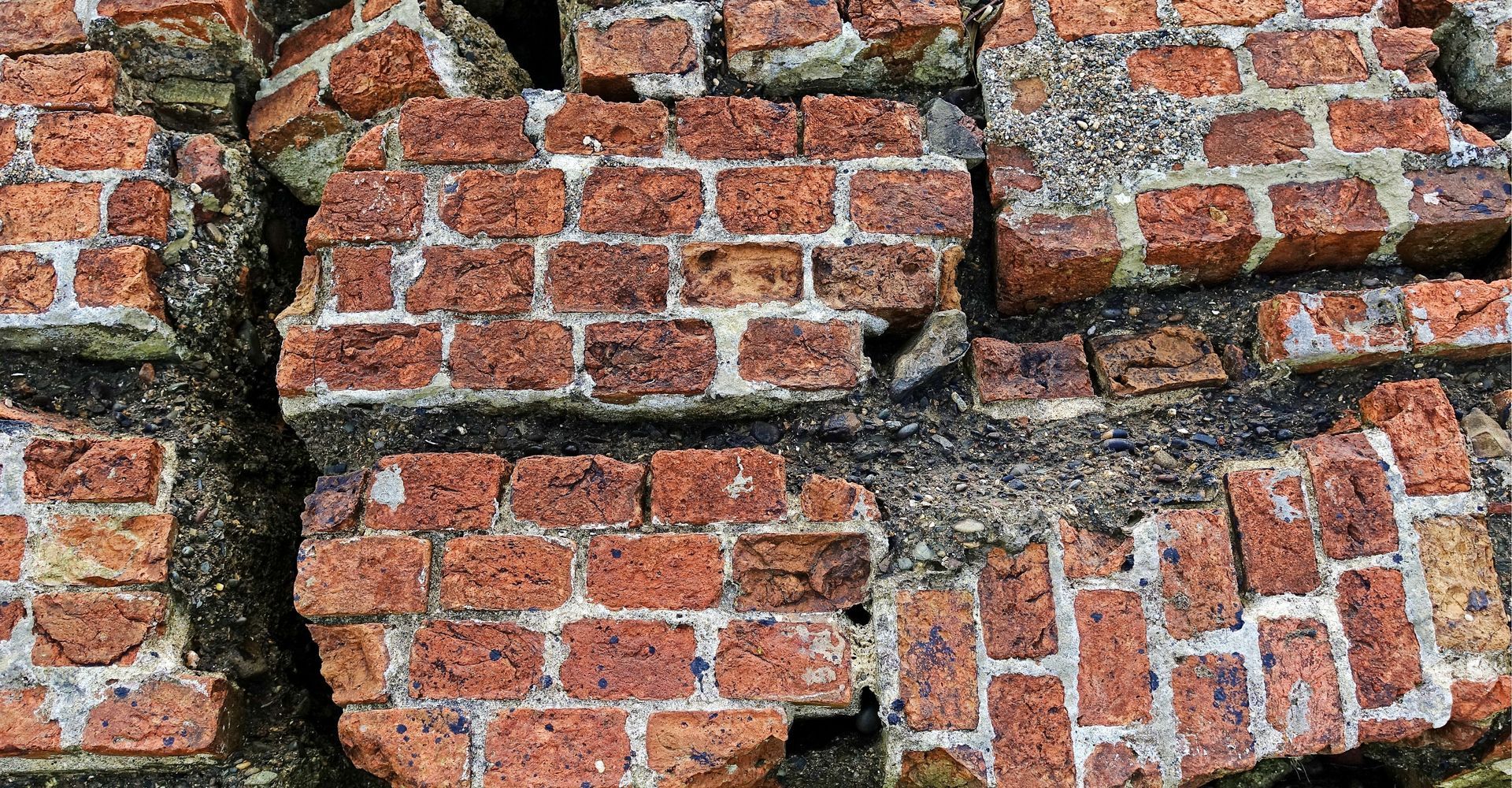
Why Brick Repair Failures Are Common in Middle Tennessee
Nashville homes face conditions that many regions don’t:
- Expansive clay-heavy soil that swells and shrinks
- Seasonal freeze-thaw cycles that stress mortar joints
- Heavy rainfall that penetrates failing mortar
- Older homes with outdated construction methods
Brick is durable — but brick systems move, and repairs must account for that movement.
The Most Common Reasons Brick Repairs Fail in Nashville
1. Foundation Movement Was Never Addressed
Many brick cracks are symptoms, not the real problem. If a repair doesn’t account for:
- Foundation settling
- Soil expansion
- Poor base preparation
…the brick will crack again — often in the same location.
Warning sign: Stair-step cracks, widening gaps, or recurring cracks near foundations.
2. The Wrong Mortar Was Used
This is one of the biggest mistakes we see. Modern, hard mortars are often used on:
- Older homes
- Historic brick
- Softer masonry materials
Hard mortar doesn’t flex — so the brick cracks instead.
Correct approach: Use a mortar that’s slightly softer than the brick, allowing movement without damage.
3. Repointing Was Done Incorrectly
Not all mortar replacement is equal. Common repointing mistakes:
- Shallow mortar removal
- Mortar smeared over damaged joints
- Cosmetic “patching” instead of structural repair
These shortcuts trap moisture and accelerate failure.
4. Water Intrusion Was Ignored
Water is masonry’s silent enemy. Failed brick repairs often result from:
- Poor grading around the home
- Missing or clogged drainage
- Unsealed brick surfaces
- Cracked coping or caps
Moisture freezes, expands, and breaks mortar from the inside out.
5. Brick Was Replaced Without Matching Materials
When replacement bricks don’t match:
- Density
- Absorption rate
- Size or firing method
…they expand and contract differently, stressing surrounding masonry.
This is especially common in brick mailboxes, columns, and older Nashville homes.
How to Tell If a Brick Repair Is Failing
Homeowners often search:
“Why is my brick cracking again?”
“Is it normal for repaired brick to crack?”
Signs your repair didn’t hold:
- Cracks reopening in the same location
- Mortar crumbling or falling out
- Brick faces popping or flaking
- Leaning walls or columns
- Gaps forming after rain or temperature swings
How to Make Brick Repairs Last in Nashville (The Right Way)
Step 1: Identify the Root Cause
Before touching the brick, a professional mason should evaluate:
- Foundation movement
- Drainage patterns
- Soil conditions
- Age and type of brick
This step is often skipped — and it’s why repairs fail.
Step 2: Use the Correct Mortar Mix
Proper mortar selection depends on:
- Brick age and hardness
- Exposure to moisture
- Load-bearing vs decorative use
In Nashville, matching mortar flexibility is critical.
Step 3: Perform Full-Depth Repointing
Long-lasting repairs require:
- Removing deteriorated mortar to proper depth
- Cleaning joints thoroughly
- Packing joints correctly
- Tooling joints to shed water
This restores both strength and appearance.
Step 4: Improve Drainage & Moisture Control
Long-term success often includes:
- Grading corrections
- Drainage improvements
- Sealing brick surfaces
- Repairing caps and coping stones
These steps prevent repeat damage.
Step 5: Match Brick and Materials Precisely
Experienced masons source:
- Proper brick size and density
- Matching color and texture
- Compatible materials for the surrounding structure
This prevents stress fractures and premature wear.
Brick Repair vs. Brick Replacement: Which Is Better?
Sometimes repair isn’t enough.
Brick Repair Works Best When:
- Damage is localized
- Structure is stable
- Mortar failure is the primary issue
Brick Replacement Is Better When:
- Brick units are severely cracked
- Walls are leaning
- Structural integrity is compromised
- Previous repairs have repeatedly failed
A professional evaluation saves money long-term.
Frequently Asked Questions (FAQs)
Why do brick repairs fail so quickly in Nashville?
Clay soil movement, improper mortar, and moisture intrusion are the most common causes.
How long should brick repairs last?
When done correctly, brick repairs can last 20–40 years or longer.
Is cracking normal after brick repair?
Minor hairline movement can occur, but visible cracks are not normal and indicate underlying issues.
Can sealing brick prevent future damage?
Yes. Sealing helps control moisture intrusion, which is a major contributor to failure.
Should I repair or replace cracked brick?
That depends on the cause. Structural movement may require replacement or reinforcement.
Get Brick Repairs That Actually Last
If you’ve had brick repairs fail — or you’re worried about cracking, leaning, or crumbling masonry — don’t patch it again.
At Brick Mason Nashville, we:
- Diagnose the real cause of brick failure
- Use proper mortar and materials
- Design repairs for Middle Tennessee soil conditions
- Fix brick the right way — the first time
Call today for a free brick repair evaluation
Serving Nashville, Brentwood, Franklin, Green Hills, Murfreesboro, Mt. Juliet, and surrounding areas