
Winter Storm Damage in Nashville: How Ice & Snow Affect Brick, Stone & Masonry
Why homeowners should schedule a masonry inspection after severe winter weather
Ice and snow can cause hidden damage to brick, stone, mortar joints,
retaining walls,
steps,
driveways, and
mailboxes in Nashville — often within days of a winter storm. Freeze-thaw cycles common in Middle Tennessee can lead to cracking, shifting, and moisture intrusion that worsen quickly if left unchecked.
If your home or business experienced ice, snow accumulation, or rapid temperature swings, a post-storm masonry inspection can prevent minor issues from becoming major repairs.
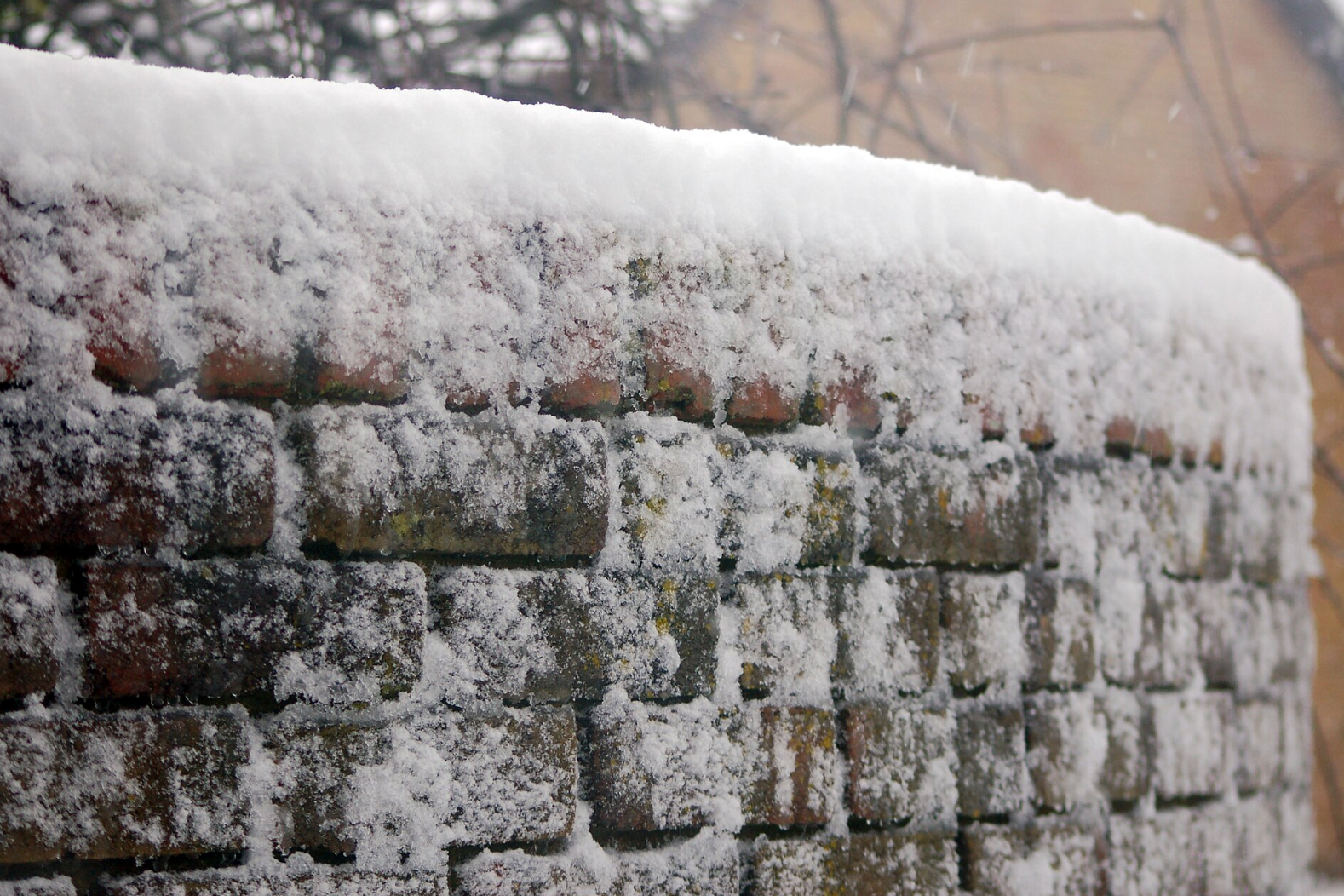
Why Winter Storms Are Especially Hard on Masonry in Nashville
Unlike colder northern climates, Nashville’s winters frequently fluctuate above and below freezing. That temperature swing is one of the most damaging conditions for masonry.
Here’s what happens:
- Snow and ice melt during warmer daytime temperatures
- Water seeps into tiny cracks in brick, stone, and mortar
- Overnight freezes cause trapped moisture to expand
- Expansion pushes masonry materials apart
- Repeated cycles weaken structural integrity
This process — known as the freeze-thaw cycle — is a leading cause of masonry failure in Middle Tennessee homes.
Common Types of Masonry Damage After Ice & Snow
1. Cracked or Crumbling Mortar Joints
Mortar is designed to absorb movement, but repeated freezing can cause it to:
- Flake
- Crack
- Pull away from brick or stone
This is often the first sign of damage — and one of the easiest (and most affordable) issues to repair if caught early.
2. Loose or Spalling Bricks
When moisture freezes inside brick, the surface may:
- Chip
- Pop off
- Appear powdery or flaked
This damage, called spalling, compromises both appearance and strength.
3. Leaning or Failing Retaining Walls
Snow melt saturates soil behind retaining walls. Combined with freezing temperatures, this creates:
- Increased hydrostatic pressure
- Soil expansion
- Wall movement or cracking
Retaining walls are one of the highest-risk masonry structures during winter storms.
4. Cracked Steps, Walkways & Driveways
Concrete and brick flatwork is vulnerable to:
- Hairline cracks expanding
- Uneven settling
- Trip hazards after ice removal
Salt and de-icers can also accelerate surface breakdown.
5. Brick Mailbox Damage
Winter storms often lead to:
- Vehicles sliding into mailboxes
- Snowplow impact
- Foundation shifting beneath the mailbox base
Brick mailboxes are a common post-storm repair or replacement request in Nashville.
Hidden Masonry Damage Homeowners Often Miss
Not all storm damage is obvious right away. Watch for:
- Small stair-step cracks near foundations
- Mortar gaps that appear dry but allow moisture in
- Subtle leaning in walls or columns
- Brick discoloration caused by moisture intrusion
These issues often worsen weeks after the storm, not immediately.
When Should You Call a Mason After a Winter Storm?
You should schedule a masonry inspection if you notice:
- New cracks in brick or mortar
- Loose or shifting bricks
- A retaining wall that looks bowed or tilted
- Water pooling near masonry structures
- Mailbox movement or damage
- Steps or walkways that feel uneven
Even if you’re unsure, an inspection can determine whether repairs are necessary now — or can safely wait.
Why Post-Storm Masonry Inspections Save Money
Catching damage early can:
- Prevent water intrusion
- Reduce repair scope
- Avoid full replacements
- Extend the life of existing masonry
For example:
- Tuckpointing is far less expensive than rebuilding a wall
- Early retaining wall repairs prevent collapse
- Minor brick repairs avoid structural failures
Storm inspections often uncover small issues before they become major projects.
How Brick Mason Nashville Helps After Winter Storms
We provide professional masonry inspections and repairs for:
- Brick and stone walls
- Retaining and seating walls
- Brick mailboxes
- Steps, driveways, and walkways
- Commercial masonry structures
- Mortar joints and tuckpointing
Our team understands Nashville’s soil conditions, weather patterns, and building styles, allowing us to recommend solutions that last.
Frequently Asked Questions About Winter Masonry Damage
Can ice and snow really damage brick?
Yes. Brick and mortar absorb moisture. When that moisture freezes and expands, it causes cracking, spalling, and joint failure.
How soon after a storm should masonry be inspected?
Ideally within a few days to two weeks, before moisture has time to cause additional damage.
Is winter masonry damage covered by insurance?
Sometimes — especially for impact damage (like a vehicle hitting a mailbox). Structural issues may vary by policy.
Can masonry repairs be done in winter?
Many repairs can be completed during winter, depending on conditions. Temporary solutions may also be recommended until warmer weather.
What's the most common winter masonry repair in Nashville?
Tuckpointing, brick repairs, retaining wall stabilization, and mailbox reconstruction are among the most common.
Final Thoughts: Don’t Wait for Damage to Get Worse
Winter storms don’t just pass — they often leave hidden masonry damage behind. Ice and snow can weaken brick, stone, and mortar quickly, especially in Nashville’s freeze-thaw climate. A professional inspection now can prevent expensive repairs later.
Schedule a Post-Storm Masonry Inspection Today
If your home or business was impacted by ice or snow, Brick Mason Nashville is here to help. We provide honest assessments, expert repairs, and free estimates throughout Nashville and surrounding areas.
Call today to schedule your post-storm masonry inspection
Protect your brick, stone, and concrete before minor damage becomes a major problem.