
Is My Brick Wall or Retaining Wall Structurally Unsafe? Warning Signs Nashville Homeowners Shouldn’t Ignore
Brick walls and retaining walls add beauty, structure, and value to Nashville homes—but when they start to fail, they can quickly become a serious safety hazard.
If you’ve noticed leaning, cracking, or separation in a brick wall or retaining wall, you may be wondering: Is this just cosmetic, or is it dangerous?
In this guide, we’ll explain the clear warning signs of structural failure, why these problems are common in the Nashville area, and when a wall can be repaired versus when it should be rebuilt.
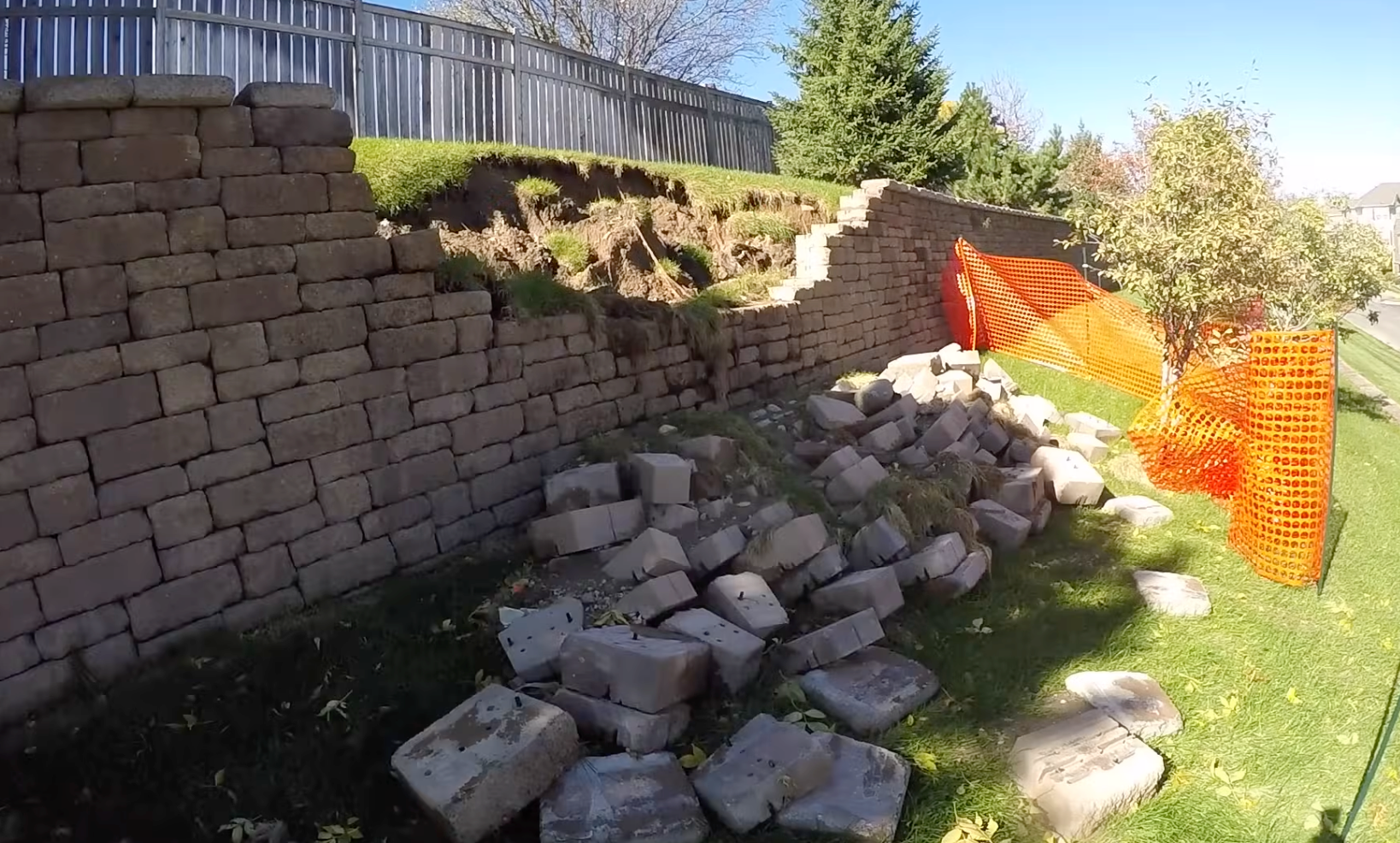
When Is a Brick or Retaining Wall Unsafe?
A brick wall or retaining wall may be structurally unsafe if it is:
- Leaning or bowing outward
- Cracked in a stair-step or diagonal pattern
- Separating from adjacent structures
- Bulging at the base
- Allowing soil to push through joints
- Showing signs of foundation movement
If you see any of these issues, a professional inspection is strongly recommended.
Why Brick & Retaining Walls Fail in Nashville
Nashville has several conditions that make masonry walls more vulnerable over time:
Expansive Clay Soil
Middle Tennessee soil expands when wet and contracts when dry. This constant movement places pressure on:
- Retaining walls
- Free-standing brick walls
- Steps and entrance walls
Heavy Rain & Poor Drainage
Retaining walls are especially vulnerable when water builds up behind them. Without proper drainage:
- Hydrostatic pressure increases
- Walls begin to bow or crack
- Sudden collapse becomes possible
Freeze-Thaw Cycles
Even mild winters can damage masonry. Water enters small cracks, freezes, expands, and slowly weakens the structure.
Aging Construction
Many Nashville homes and neighborhoods have older brickwork that:
- Lacks modern reinforcement
- Was built without proper footings
- Was not designed for today’s drainage standards
Warning Signs Your Brick or Retaining Wall May Be Structurally Unsafe
The Wall Is Leaning or Tilting
A leaning wall is one of the clearest danger signs. Even a slight tilt usually means:
- Soil pressure is exceeding structural strength
- The foundation has shifted
- Collapse risk is increasing
Leaning walls rarely “settle back” on their own.
Stair-Step or Diagonal Cracks
Cracks that follow the mortar joints in a stair-step pattern often indicate:
- Foundation movement
- Uneven soil pressure
- Structural stress, not surface damage
These cracks tend to worsen over time, especially after storms.
Bulging or Bowing Sections
If part of the wall appears rounded or pushed outward:
- Internal support may be failing
- Drainage may be blocked or nonexistent
- The wall may be nearing structural failure
This is common in retaining walls holding back saturated soil.
Separation From Nearby Structures
Gaps between:
- A brick wall and your home
- Steps and side walls
- Columns and entrance walls
…are signs that sections are moving independently, which is unsafe.
Loose, Crumbling, or Falling Bricks
When bricks begin loosening or mortar turns powdery:
- Structural integrity is compromised
- Collapse risk increases
- Repairs become more extensive if delayed
Can a Structurally Unsafe Wall Be Repaired—or Does It Need Replacement?
This depends on severity and cause.
Walls That May Be Repairable:
- Minor cracking with no movement
- Isolated mortar joint damage
- Early-stage drainage issues
Walls That Usually Need Rebuilding:
- Leaning or bowing walls
- Failed retaining walls
- Walls with foundation movement
- Repeated repairs that keep failing
In many cases, rebuilding with proper footings, reinforcement, and drainage is more cost-effective long-term than repeated patch repairs.
Why Retaining Wall Failures Are Especially Dangerous
A failing retaining wall doesn’t just affect appearance—it can:
- Collapse suddenly
- Damage nearby structures
- Create major erosion issues
- Pose serious safety risks to people and pets
If a retaining wall is showing signs of movement, it should be evaluated as soon as possible.
When to Call a Professional Brick Mason in Nashville
You should schedule an inspection if:
- Cracks are growing or spreading
- The wall has shifted after a storm
- Doors, steps, or nearby surfaces are affected
- You’re unsure whether the damage is cosmetic or structural
A professional mason can determine:
- The cause of the failure
- Whether repair is possible
- The safest and most durable solution
FAQs: Structural Brick & Retaining Wall Issues
Is a leaning brick wall an emergency?
It can be. Leaning often indicates structural failure, especially if movement is visible or worsening.
Can retaining walls be reinforced instead of replaced?
Sometimes—but only if caught early. Severe bowing usually requires rebuilding.
Do insurance policies cover failing brick or retaining walls?
Coverage depends on the cause. Storm damage may be covered; long-term soil movement often is not.
How much does brick wall or retaining wall repair cost in Nashville?
Costs vary widely based on size, access, and severity. Minor repairs may cost a few thousand dollars, while full rebuilds are larger investments.
Get a Professional Brick & Retaining Wall Inspection in Nashville
If your brick wall or retaining wall is showing warning signs, don’t wait for it to get worse. Early intervention can prevent collapse and reduce long-term costs.
Brick Mason Nashville specializes in:
- Structural brick repair
- Retaining wall repair and replacement
- Rebuilds designed for Nashville soil and weather conditions
Contact us today to schedule an inspection and protect your property.