
Cracks in Brick Walls: Which Ones Are Serious (and Which Aren’t) for Nashville Homes
Brick is known for its strength and durability, but cracks in brick walls are one of the most common concerns Nashville homeowners face. Some cracks are cosmetic and harmless. Others are early warning signs of structural movement, moisture intrusion, or foundation issues — problems that can become expensive fast if ignored.
If you’ve noticed cracks in your brick wall and you’re wondering “Is this serious?”, this guide will help you understand what you’re seeing, why it happens in Middle Tennessee, and when it’s time to call a professional masonry contractor.
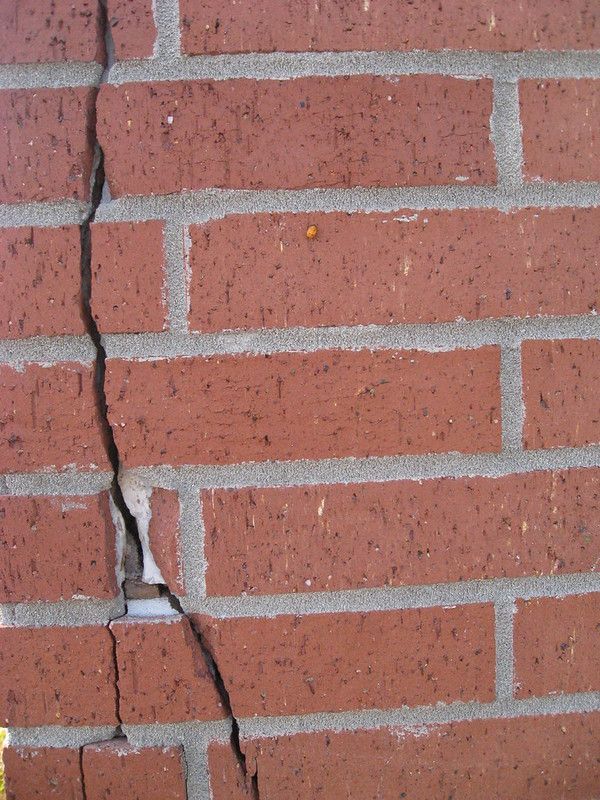
Are Cracks in Brick Walls Serious?
Some brick cracks are normal. Others require immediate attention.
- Hairline cracks in mortar joints are often cosmetic
- Stair-step cracks can indicate foundation movement
- Horizontal cracks are usually structural and urgent
- Cracks near doors, windows, or corners often signal settling
- Widening or spreading cracks should never be ignored
Because Nashville homes sit on clay-heavy soil that expands and contracts with moisture, brick cracking is more common here than many homeowners realize.
Why Brick Walls Crack So Often in Nashville
Brick itself is strong — but the forces acting on it are not always predictable. In Middle Tennessee, several local factors make cracking more likely.
Common Nashville-Specific Causes of Brick Cracks
Expansive clay soil
- Swells when wet
- Shrinks during dry spells
- Causes foundations to shift repeatedly
Freeze–thaw cycles
- Water enters small gaps
- Freezes and expands
- Forces bricks and mortar apart
Poor drainage or grading
- Water pooling near foundations
- Increased soil movement under walls
Older construction
- Many Nashville homes were built decades ago
- Mortar naturally weakens over time
Improper original construction
- Inadequate footings
- Incorrect mortar type
- Missing expansion joints
Types of Brick Cracks — and What They Mean
Not all cracks are created equal. The pattern, location, and direction of a crack often reveal the underlying issue.
Hairline Cracks in Mortar Joints
Usually minor — but worth monitoring
These thin cracks often appear as brick and mortar age.
Typically caused by:
- Natural settling
- Minor thermal expansion
- Aging mortar
When to worry:
- If they widen over time
- If moisture is entering
- If multiple cracks appear suddenly
These are often resolved with tuckpointing or sealing.
Stair-Step Cracks in Brick Walls
Often a sign of foundation movement
These cracks follow the mortar joints in a stair-step pattern.
Common causes in Nashville:
- Soil shifting under foundations
- Uneven settling
- Drainage issues near the home
Why they matter:
- They indicate movement, not just surface damage
- They tend to worsen without intervention
A masonry inspection is strongly recommended.
Horizontal Cracks in Brick Walls
Almost always structural — and urgent
Horizontal cracks are the most concerning type of brick damage.
Often caused by:
- Pressure from shifting soil
- Bowing or failing walls
- Excess moisture buildup
Do not ignore these.
They can signal impending wall failure if left untreated.
Call a professional mason immediately if you see horizontal cracking.
Vertical Cracks Near Doors and Windows
Common, but not always harmless
These cracks often form at stress points in the structure.
Potential causes:
- Settling around openings
- Lintels failing or rusting
- Foundation movement
Warning signs:
- Doors or windows sticking
- Cracks widening at the top or bottom
Early repair can prevent costly structural corrections later.
Cracks in Retaining Walls or Freestanding Brick Walls
Frequently structural
Because these walls resist soil pressure, cracking often indicates failure.
Watch for:
- Leaning or bulging walls
- Cracks combined with movement
- Separation at the base
Retaining wall cracks should be evaluated promptly.
How to Tell If a Brick Crack Is Getting Worse
Ask yourself these questions:
- Is the crack wider than 1/8 inch?
- Has it grown longer over time?
- Are bricks separating or shifting?
- Is moisture entering the wall?
- Did the crack appear after heavy rain or freezing weather?
If the answer is yes to any of these, the issue likely goes beyond cosmetic damage.
Can Brick Cracks Be Repaired — or Do They Need to Be Rebuilt?
This depends entirely on the cause.
Minor Repairs May Include:
- Tuckpointing deteriorated mortar
- Sealing cracks to block moisture
- Replacing isolated damaged bricks
Major Repairs May Require:
- Structural brick repair
- Wall stabilization
- Partial or full wall rebuilds
- Addressing foundation or drainage issues
Repairing the crack without fixing the cause almost guarantees it will come back.
Why DIY Brick Crack Repairs Often Fail
Homeowners often try:
- Caulking cracks
- Patching with store-bought mortar
- Painting over damage
These solutions may look fine temporarily but usually fail because:
- The wall continues to move
- Moisture remains trapped
- Incorrect materials are used
Professional masonry repairs focus on why the crack formed — not just covering it up.
When to Call a Professional Mason in Nashville
You should schedule an inspection if:
- Cracks are widening or spreading
- Multiple cracks appear in different areas
- You see stair-step or horizontal cracking
- Walls appear to lean or bow
- Moisture is entering through cracks
Early inspections often save thousands by preventing major rebuilds.
Why Nashville Homeowners Choose Brick Mason Nashville
At Brick Mason Nashville, we specialize in identifying the real cause of brick cracking — not just the surface damage.
Our masonry inspections help homeowners:
- Understand which cracks are cosmetic vs structural
- Prevent recurring damage
- Protect property value
- Avoid unnecessary repairs
We work on residential and commercial brick walls throughout Nashville and surrounding areas.
Frequently Asked Questions About Brick Cracks
Are cracks in brick walls normal?
Some minor mortar cracks are normal as homes settle, but larger or growing cracks are not and should be inspected.
How much does brick crack repair cost in Nashville?
Costs vary widely depending on severity. Small repairs may cost a few hundred dollars, while structural repairs can be significantly more.
Can cracked brick walls collapse?
In severe cases involving structural failure or retaining walls, yes — especially if cracks are ignored.
Do brick cracks mean foundation problems?
Not always, but many serious cracks are linked to foundation movement common in Middle Tennessee soils.
Should I repair cracks before selling my home?
Yes. Brick cracks can impact inspections, negotiations, and buyer confidence.
Don’t Guess — Get Your Brick Wall Inspected
If you’re unsure whether the cracks in your brick wall are cosmetic or structural, the safest next step is a professional inspection.
Call Brick Mason Nashville today to schedule a masonry inspection and get clear answers before small cracks turn into major repairs.